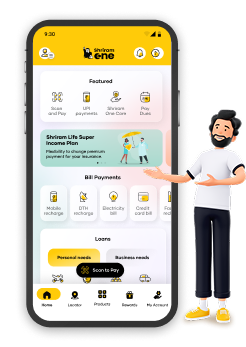
Download Shriram One app
Loans Blogs

What Unique Advantages Make Gold Loans Attractive?
Gold isn't just jewelry for many households; it’s a store of value and a silent financial safety net. When emergencies crop up or opportunities knock, converting idle gold into fast cash can be a lifesaver. That’s why gold loans have grown rapidly in India, especially as people seek quick, secure funds without lengthy waits or complex paperwork.
Imagine this: you need money urgently for your child's education or a medical expense. Traditional loans might take ages, but gold loans offer a way to unlock the value of what you already own. This makes them attractive, trusted, and relevant.
- loans
- 5 mins 23-9-2026

What Are the Major Home Loan Tax Benefits?
Home loan tax benefits turn that burden lighter, thanks to rules under the Income Tax Act. Interest and principal parts of your EMI qualify for cuts from taxable income. Suddenly, owning a home feels less like a stretch. Ever paused to think how much you'd keep instead of handing over to the government? These perks reward steady repayments, especially when construction wraps up on time. Truhome Finance (formerly Shriram Housing Finance) lays it out clearly for borrowers chasing that first property.
Not every loan plays the same. Rules shift for self-occupied spots versus rentals. A small tangent: many overlook how stamp duty sneaks into savings too. Lenders like Shriram make calculators to show the real picture upfront. No more guessing, plug in numbers, see the relief. Why settle for vague advice when tools reveal your edge?
- loans
- 5 mins 23-9-2026

Should I Choose Fixed Vs Floating Interest Rate for My Loan?
Ever stared at loan papers wondering if rates will bite later? Fixed vs floating interest rate splits right there. Fixed locks your rate steady, no surprises in EMIs. Floating ties to market shifts, mostly RBI's repo rate moves. One promises calm waters. The other rides the waves. People lean floating for possible savings, yet fixed draws those hating uncertainty. Truth hits when payments stretch family budgets thin.
Fixed suits planned lives. Floating tempts with lower starts, but hikes sting if economy turns. Small opinion: floating feels like betting on tomorrow's news. Why not know your outflow monthly? Lenders like Truhome Finance (formerly Shriram Housing Finance) offer both, letting choices fit real needs without confusion
- loans
- 5 mins 23-9-2026

When should I consider consolidating multiple debts into a single personal loan?
Self-employed professionals and individuals often wonder: "When should I consider consolidating multiple debts into a single personal loan?" This strategy works best when juggling high-interest debts strains cash flow, especially with irregular incomes.
- Loans
- 5 mins 21-9-2026

Are There Specific Loan Schemes Available for Self-Employed Professionals?
A self-employed loan is a loan designed for individuals who earn from business, profession, or independent work instead of a fixed monthly salary.
It considers business income, cash flow, and stability, rather than only salary slips or employer letters.
- loans
- 5 mins 18-9-2026

How Can I Track My Loan Application Status Efficiently?
Waiting for loan approval feels like watching paint dry; endless and tense. Yet knowing where your application stands cuts that worry sharp. Updates prevent surprises, like missed deadlines or extra documents needed. People often forget to check midway, then scramble last minute. Ever wondered why some sail through while others hit snags? Simple: they track smartly from day one. Lenders send reference numbers early, turning guesswork into facts.
This habit builds control. Spot delays early, follow up right. A small tangent: overlooked status checks once cost a borrower extra interest from rushed approvals. Platforms make it painless now.
- loans
- 3 mins 16-9-2026

Scan the QR code
to download
the app