Check Your Free Credit Score – It’s Easy, Fast, and Secure


What is a Credit Score?
A credit score is a numerical expression representing the creditworthiness of an individual. Derived from the analysis of historical credit files, a credit score is a measure typically used by lenders to evaluate the probability that a person repays debts and is the gateway to financial health. A higher score to typically means you’re seen as a lower risk to lenders.
Importance of
Credit Score
A credit score is a three-digit number that falls within a range typically between 300 and 850, with higher scores representing a lower risk to lenders.
Excellent
Unlock the best rates and exclusive financial opportunities
Good
Enjoy competitive lending terms and easier approvals
Fair
Reflects fair creditworthiness and indicates room for improvement
Poor
limits borrowing options and is the starting point to rebuild your credit health
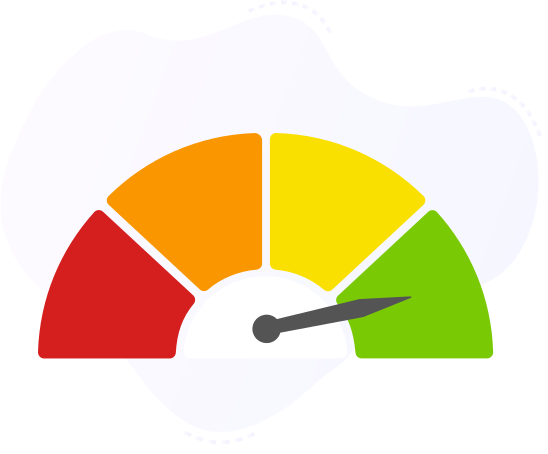
Excellent
800 - 900Good
700 - 799Fair
650 - 699Poor
300 - 649
Why Check Your Credit Score?
Regularly checking your credit score is crucial for maintaining financial health. It allows you to:
Monitor your credit health
Identify any inaccuracies or fraudulent activities
Understand the factors affecting your credit score
Plan better for your financial future
Steps to improve Your Credit Score
Improving your credit score is a journey and involves:
Make timely credit payments
Ensure to keeping the credit utilization optimal
Review your credit health report for inaccuracies
What You'll Get in Your Credit Health Report?
Your comprehensive credit health report includes

Credit Score
A snapshot of your creditworthiness and comprehensive understanding of your credit

Credit Accounts
Details of your current and past credit accounts, including credit cards, loans, and mortgages and tips to improve

Inquiries
A summary when was your credit checked and recommendations

Repayment History
Provides insights and recommendations of timely/missed payments on your historical loans, credit cards, etc.
Why use Shriram One for improving your Credit Score?
FREE Credit Score Checks
Comprehensive Credit Health Report
Secure and User-Friendly
Quick and Convenient

Frequently Asked Questions
How to Check Credit Score for Free?
Check credit score for free on the Shriram One App by entering a few personal details and verifying your mobile number and OTP. Shriram One allows you to check your credit score as many times as you want.
What is the credit score range?
A credit score can range anywhere between 300 to 900. A credit score of 300 denotes the least creditworthiness, while 900 denotes the highest creditworthiness. A score of 750 or above is considered the ideal credit score for any person in India.
How is my Credit Score determined?
Credit rating agencies use different formulas and algorithms for calculating credit score. Credit rating agencies consider several factors for calculating a credit score:
- Payment history
- Credit history
- Credit mix
- Existing Loans
- New to credit
Who calculates credit scores?
Four credit bureaus in India calculate credit scores. These bureaus are CIBIL™, Equifax, CRIF Highmark, and Experian. Each bureau has a different formula and algorithm to measure credit scores. Therefore, your credit score can vary from one credit agency to another.
Does having too many credit cards affect a credit score?
Having too many credit cards doesn’t impact your credit score. But you must refrain from applying too many credit cards at once. Lending institutions consider multiple credit inquiries as unfavourable. Multiple credit inquiries can also adversely impact your credit score.
Also, non-management and poor management of multiple repayments may lead to a lower credit score. But your credit score improves if you successfully manage multiple credit cards over time.
How do credit scores change?
Credit scores usually gets updated at least once a month. But if you conduct some credit activity, lenders send the information to credit bureaus. In that case, too, your score gets updated. Your credit score may change more frequently with multiple credit accounts or financial products.
Why don't I have a credit score?
You may not have a credit score because you never took credit. Even if you had previously taken credit, and there’s no recent related activity, you may still not have a credit score. Sometimes, lenders and banks don’t report your credit information to the credit bureaus. In that case, you may have no credit score for lack of information.
How can I improve my Credit Score?
Always maintain good credit discipline and make timely repayments to improve your credit score. Setting reminders for paying off your EMIs always helps. A longer credit history is considered favourable for a high credit score. Make sure to maintain your old credit cards and make their repayments on time.
Your credit usage also impacts your credit score. Customise your credit limit to restrict your credit usage and maintain a higher credit score.
Do late payments affect a credit score?
A standalone late payment doesn’t greatly impact your credit score. While repetitive late payments do impact your credit score. Having said that, if you have delayed the payment for more than 30 days, your credit score may drop by 100 points. Your credit score is reduced further when the occurrence is reported to the credit bureau.
Why is a PAN card required for checking the credit score?
PAN is necessary to check credit scores as all your financial transactions are recorded against your PAN card. If you don’t have a PAN card, you haven’t accessed any credit in the past. It also means you may not have any credit score at all.
What is the minimum Credit Score to get any loan?
A credit score of 700 or higher is considered a good credit score. Any credit score above 750 is considered ideal for getting any unsecured loan. You can get a secured personal loan if you have a credit score in the range of 600-700. Kindly check with the bank/financial institution for more details.
Do finance companies have a negative impact on credit scores?
Applying for a credit card or loan with a finance company invites a hard query regarding your credit. A hard query can drop your credit score by five points. Soft inquiries into your credit don’t impact your credit score.
What is a bad credit score?
A credit score ranging from 300 to 550 is considered bad. If your credit score falls in this range, you need to improve your credit score.
Do inquiries affect a credit score?
A hard credit inquiry impacts your credit score negatively. Persons with good credit scores are even less impacted by hard queries. Free credit score checks or soft queries don’t impact your credit score at all.

Scan this QR code
to download and
experience Shriram One